

What Does it Take to Become a UK Electrician?
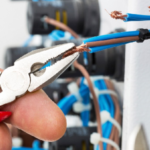
Electricians are in high demand throughout the UK and a career in this area is a rewarding, safe and financially lucrative option.
An electrician works on an array of electrical systems and equipment. They are involved in installing, testing and repairing lighting and power systems that are mains voltage for both residential and commercial homes.
Qualifications
Electricians install, repair, and maintain electrical wiring in homes, factories, offices, hospitals, and other structures. They also inspect and test equipment for any potential issues. They utilize wiring diagrams and technical drawings to determine the best way to connect various components of a building.
You must have the qualifications and experience in order to become an electrician. These can be acquired through an apprenticeship, NVQ or vocational qualification. These certificates will prove your ability to work safely in the electrical field.
Apprenticeships are the most traditional route to becoming an electrician. They combine classroom instruction and on-the-job training. They can take anywhere from 3 to 4 years to complete.
These courses are targeted at 16-18 year olds and are typically offered by colleges, but private companies can also offer these courses. They typically require 5 GCSEs (grades 9 to 4) comprising English and maths.
You can also take the City & Guilds 2365 course that is designed for adults who want to learn, and allows you to study the City & Guilds qualification at while working full-time in your field of choice. It is a popular and effective method of gaining expertise and experience while also gaining an entry-level job.
If you're already working in the electrical field You can apply for an NVQ or a vocational qualification, like the Level 3 Certificate or Diploma. These qualifications will verify your competence to work in a safe manner in the electrical industry and demonstrate to employers that you have the experience and qualifications required.
A Level 3 NVQ (or Certificate) takes 12-18 months depending on whether you're attending college or through a private company. During term you will be visiting the college once per week typically on a Friday. You will also have a tutor visit to your workplace.
After completing your NVQ or Certificate, you'll have to pass the AM2 exam that is a practical and theoretically based test that lasts approximately three days. This will award you a certificate of completion that can be a valuable addition to your resume.
There are numerous ways to get into an electrician job, but you should be aware of potential dangers. Some training companies will offer you a make-shift course that doesn't provide any training.
Work environment
Electricians work in a variety of sectors and places. They are responsible for installing repairs, maintaining, and installing electrical equipment in homes, businesses and factories. They also work in power plants and on the electricity supply network.
They are required to be certified in their area of expertise and a modern apprenticeship is the most effective method to attain this. This can be done through an employer or a training institution and usually lasts between 3-4 years. To obtain your certification in electrical installation at level SVQ or equivalent, you will have to do the job and gain practical experience.
You will need to have the appropriate qualifications, such an official diploma or degree in electric engineering, along with an excellent work ethic and strong work ethic. It is crucial to effectively communicate with customers, and you need to know the laws governing health and safety.
While the workplace of an electrician might be located in several different places however, you should expect to spend at the very least a few days on one location. This could be a significant distance from home, and you might have to stay over night in hotels or other accommodations during your time on the job.
You'll be accountable for inspecting and testing electrical systems and making sure they meet the required standards. You could also be accountable for repairing and replacing damaged wiring and ensuring the system is safe in the future.
This kind of work is physically demanding and can require you to use tools such as scaffolding, ladders and scissorlifts. You'll have to be able to work in all weathers, including cold, hot, damp or dusty conditions.
A typical day could include the standard installation and inspection, as well as fault finding and testing. You'll have to be able to offer quick solutions and ensure that your work conforms to the wiring regulations in the UK.
The number of job opportunities for electricians is high, particularly in Middlesex and Surrey. A recent study by District4 the largest recruitment firm for skilled trades discovered that 43 percent of vacancies in the UK's skilled trades sector were due to a shortage of skilled workers.
Job description
Your job as a UK electrician is to ensure that electrical equipment operates safely and effectively. You develop, install and repair systems for homes, businesses factories and public buildings.
You also handle power distribution and connect different electrical devices to the main power source. Your responsibilities include installing cable ducts as well as components connecting switches and sockets in accordance with your wiring diagrams , and performing functional tests to verify that the installed installation is working correctly.
Certain electricians are experts in specific types of work, including industrial or construction. They usually use special equipment. They must be able to communicate well with other tradespeople as well as comprehend the equipment they use.
uk electricians can become an electrician supervisor or masterindustrial electrician during your career. As a supervisor, your job is to provide support to other electricians and assist them in their work. Additionally, you can supervise apprentices as they learn to become electricians.
A career as an uk electrician can be challenging but rewarding job that offers great pay and benefits. You can work for an electric business or you can be your own boss.
The pay of a electrician in the United Kingdom will be contingent on their experience as well as their qualifications and experience. Based on where you live and what kind of work you perform you can expect to earn between PS20,000 and PS150,000 each year.
In addition, you can be paid more if have an educational degree or professional certificate. Employers are more likely to hire electricians with a high school diploma and basic General Certificate of Secondary Education (GCSE).
Electricians must also be able read technical drawings and blueprints. They use these to plan and prepare work orders or instructions for their work.
They must also be able to perform all safety procedures prior to when they begin their work. They must be able test their equipment to ensure safety when working at heights or in tight space.
A career as an uk electrician is suitable for people with a manual and practical mind and a love for safety. If you enjoy working using their hands and in groups, it's a rewarding and fulfilling job.
Salary
Electrical work can be extremely lucrative and a highly skilled job that offers many chances to advance in the industry. Because electrical work is a highly skilled area that requires years of training and experience to be able to complete an occupation.
However, salaries can vary in accordance with where you live and the level of experience you have. People who live in cities such as London or the South East are more likely to make more money than those living in the UK's smaller regions.
It is also crucial to take into consideration whether you are self-employed or employed when determining your electrician's salary since this will determine how much money you can bring in. Electricians working for a company will often receive a higher hourly rate as opposed to those who are self-employed.
Another factor that influences the pay of electricians is how many hours they work. Some companies prefer to employ electricians that are willing to work long hours and overtime, so this could impact the overall pay.
There are other elements that could affect an electrician's pay, including their abilities and experience level. Those with a good amount of experience will be in a position to charge higher rates for their services.
Electricians should be ready to devote time to marketing their company effectively in order to make enough work to support their families. This includes using flyers, making a website, as well as creating strategies for referrals.
If you decide to go self-employed, your earnings will depend entirely on how well you promote your business. This will help you draw and retain the top clients you can and increase your earnings.
You will need the right qualifications and a business plan to achieve this. It is also necessary to invest money in high-quality tools and equipment. This will help you to be competitive with other electricians in your region and ensure that you are in a position to provide excellent service to your clients. This will enable you to increase your salary as an electrician in the UK.